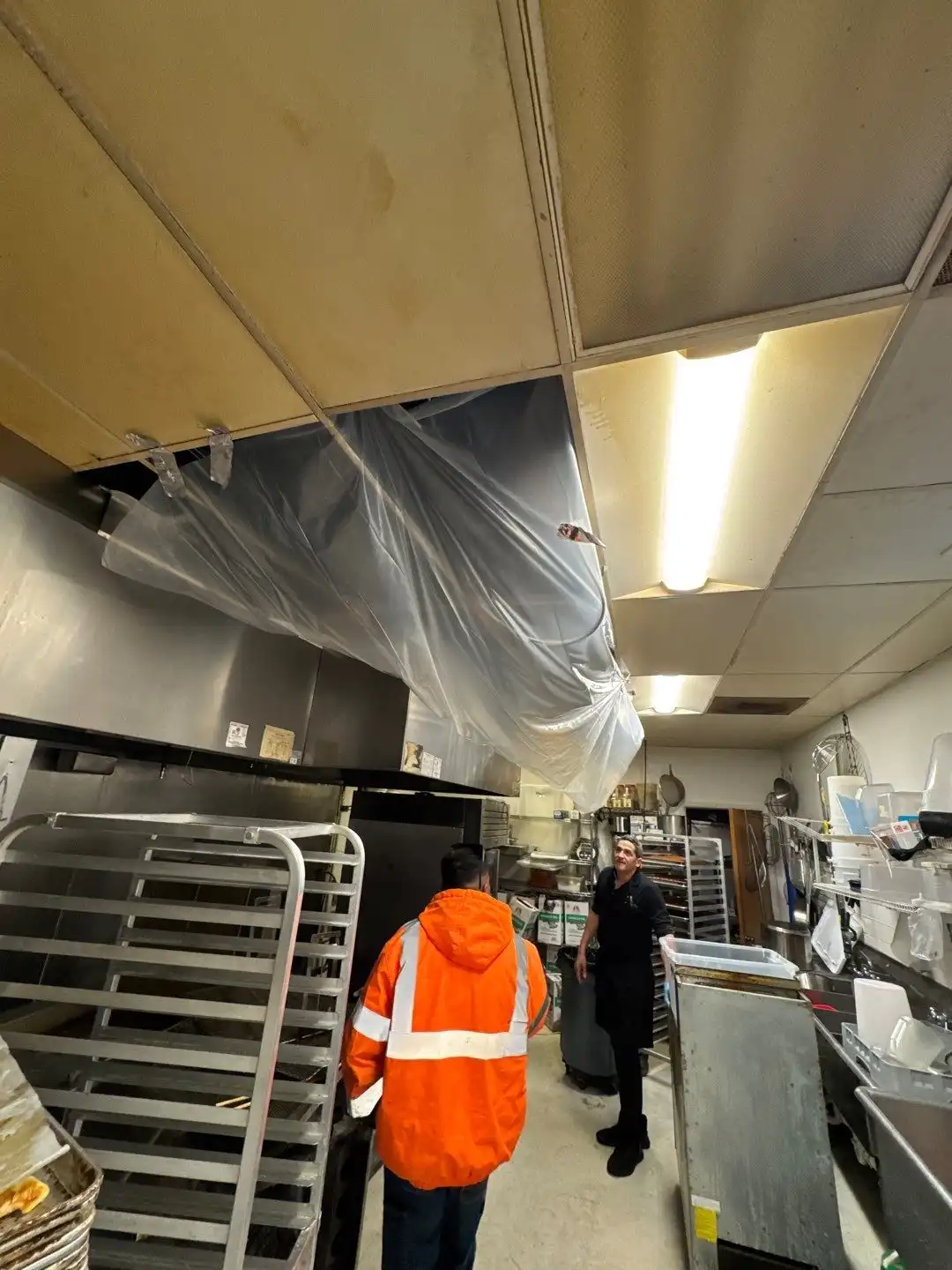
Problem: Your Flat or Low-Slope Roof Keeps Failing at Seams and Penetrations
Single ply membranes, modified bitumen, and aging metal panels share one weakness in Veedersburg: the seams. Thermal cycling pulls fasteners loose, sealants dry out, and ponding water finds every weak lap. You patch one spot, another opens up a season later. If you are repairing the same roof every year, the math stops working.
Solution: Convert to a Standing Seam System With Concealed Fasteners
Standing seam metal roofing solves the seam problem by raising the joint above the water plane and locking panels together with concealed clips. No exposed screws sit in the wet zone. Panels expand and contract freely because the clips allow movement without tearing the seal.
- We measure slope, deck condition, and existing curb heights during the inspection.
- We specify a panel profile (snap lock or mechanically seamed) based on slope and wind exposure.
- We design transitions at parapets, scuppers, and rooftop units so water sheds cleanly.
For owners weighing systems side by side, our breakdown of standing seam versus corrugated metal for business buildings covers where each profile makes sense. On low slope sections under 3:12, mechanical seaming is usually the right call because the double locked rib gives you a watertight joint that snap lock cannot match at shallow pitches. On steeper sections, snap lock installs faster and still performs for decades when the clip spacing is right.
Problem: Picking the Wrong Gauge or Coating Shortens Roof Life
Not every metal roof is built the same. A 26-gauge panel with a basic paint finish will not perform like a 24-gauge Galvalume panel with a PVDF (Kynar 500) coating. Owners often see two bids that look similar on paper but use very different materials underneath. Ten years in, the cheaper roof chalks, fades, and starts showing edge corrosion.
Solution: Match Material Specs to Your Building and Climate
Central Indiana sees freeze thaw, hail, and UV stress every year. We size panel gauge and coating to that reality, not to the lowest bid. PVDF (Kynar 500) finishes hold color and gloss far longer than SMP, which matters for storefronts, medical buildings, and any property where curb appeal drives value. Galvalume substrate resists edge creep and cut edge corrosion better than standard G90 galvanized, especially around scuppers and trim where panels are field cut.
Color choice also affects performance. Lighter cool roof colors with high solar reflectance can reduce attic and plenum temperatures, which lowers HVAC load through Veedersburg summers. We walk owners through which finishes carry an Energy Star rating and how that maps to local utility incentives.
Problem: Roof Leaks During or After Install
The worst scenario is a brand new roof that leaks. It happens when crews skip underlayment, use the wrong sealant at penetrations, or seam panels improperly. By the time water shows up at a ceiling tile, it has already traveled across the deck and soaked insulation.
Solution: Layered Defense Plus Tested Details
We treat the underlayment as a real water barrier, not just slip sheet. High temperature self adhered membrane goes at eaves, valleys, and around every penetration. Panels go down with the correct clip spacing for your wind zone. Seams get mechanically locked where slope or exposure calls for it. Pipe boots are EPDM or silicone rated for metal panel movement, not generic rubber that cracks in two winters. Curb flashings get soldered or welded corners where the geometry demands it, not just caulked.
If a leak does show up later, we respond the same way we would for any active water intrusion. Severity gets assessed on the phone, and dry in is prioritized so your interior is protected while we trace the source. The same principles we use for any commercial emergency roof repair apply to a metal roof under warranty.
Problem: Operations Cannot Stop for a Reroof
Most Veedersburg commercial buildings cannot close for two weeks while a roof goes on. Tenants, customers, and employees are inside. Inventory and equipment are below the deck. A loud, messy install with no plan for the interior creates problems that outlast the project.
Solution: Stage the Work Around Your Schedule
We section the roof into work zones so only one area is open at a time. Tear off, dry in, and panel install happen in the same day on each zone whenever weather allows. We coordinate noisy work around your busiest hours, protect HVAC intakes from debris, and keep loading docks and entrances clear. For tenants underneath, we give advance notice on which bays will see overhead activity each day.
Problem: No Plan for Future Maintenance
Even a 50 year roof needs eyes on it. Sealants at penetrations age faster than the panels. Debris collects behind RTUs. Hail can dent panels without breaching them, but it can damage finishes.
Solution: Set a Simple Inspection Rhythm
Annual or semi annual inspections catch small issues while they are still cheap. We check fasteners at flashings, look for finish damage, clear debris, and document panel condition with photos so you have a record for insurance if a storm hits. After major hail or wind events in Veedersburg, we schedule a focused look at vulnerable details (ridge caps, end laps, and curb flashings) so a small ding does not turn into a slow leak six months later.
Problem: Hidden Costs and Timeline Surprises
Owners get burned when a quote leaves out tear off disposal, deck repair, insulation upgrades, or new flashings around HVAC curbs. Then the project stops mid stream while change orders pile up.
Solution: Scope It All Before the Contract
A real standing seam estimate in Veedersburg should include:
- Panel material, gauge, finish, and color with manufacturer named.
- Underlayment type and coverage area.
- All flashings, closures, ridge caps, and penetration boots.
- Tear off, deck inspection, and any anticipated insulation work.
- Tarp and dry in plan if weather hits mid install.
Veedersburg Commercial Roofing gives you a written scope, walks it with you on the roof, and explains why each line is there. If you want a second opinion on whether replacement is even the right call, our guide on commercial roof repair versus replacement lays out the decision points. We also flag items that are likely but not certain, such as deck board replacement under known leak areas, with a unit price so you are not surprised if we find rot once the old roof is off.